The 2026 National ORC Blitz recovered over million in retail theft losses through coordination and intelligence-sharing — here is how your team plugs into the same model.
☕ The Afternoon Coffee Break Read
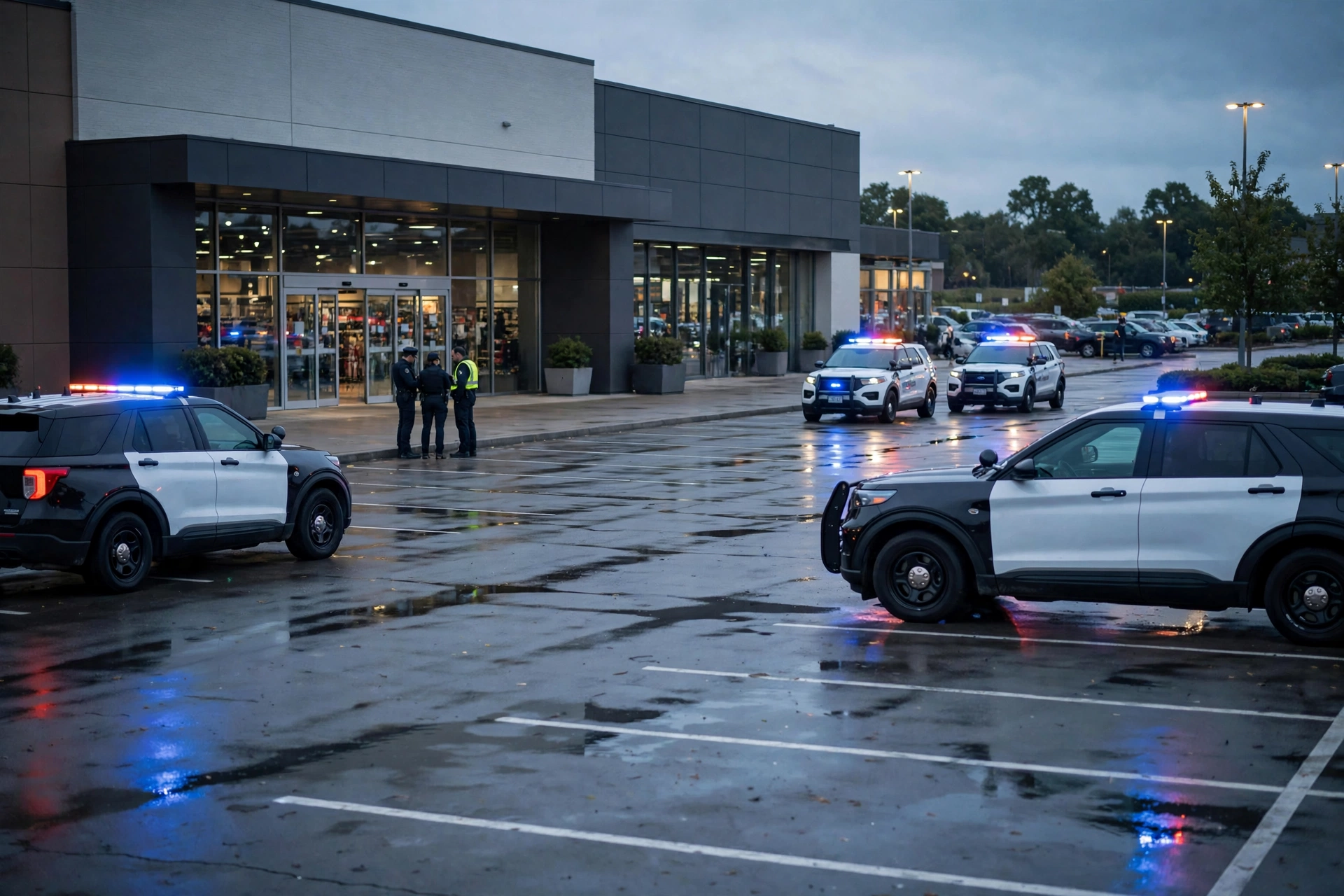
Nine days. Thirty-two states. Eighty-four law enforcement agencies and forty retail brands working from the same playbook. The second National Organized Retail Crime Blitz, held this August, ended with more than 1,900 apprehensions and arrests and more than $2 million in retail theft losses recovered or prevented, according to a joint announcement from the National Retail Federation, the Cook County State’s Attorney’s Office, the Cook County Regional Organized Crime Task Force, and the Los Angeles Organized Retail Crime Association (Carrier Management, Oct 7, 2026). That scale does not happen by accident. It happens when retailers and police stop working parallel cases and start working one case.
Intelligence-sharing is the force multiplier
The blitz ran on shared intelligence, coordinated investigations, and targeted operations — not on luck. Participating agencies developed seven leads involving “fencing” operations selling stolen merchandise, recovered six stolen vehicles, and seized eight weapons. When your store reports a booster incident to a regional task force with usable details — vehicle descriptions, plate data, known faces, fencing links — it becomes part of a pattern instead of a single line in a shift report. One case in the blitz led to the recovery of a trafficking victim who was being exploited and forced to steal for her abductors; the investigation continues, and she received medical care. That outcome exists only because someone connected dots across jurisdictions.
The LP takeaway: package cases, don’t just log incidents
“Organized retail crime is most effectively addressed when retailers and law enforcement work together,” said Cook County Regional Organized Crime Task Force deputy director Edward Henkel. For LP teams, that means three habits. First, document booster incidents with prosecution-ready detail: clear video, product lists, values, times, and any identifying information. Second, push that information to your regional ORC task force proactively — do not wait for police to ask. Third, coordinate internally across stores so the same crew hitting five locations shows up as one case file, not five separate reports.
The pipeline is getting federal attention
The National Retail Federation is urging the U.S. Senate to pass the Combating Organized Retail Crime Act, which cleared the House in May and would strengthen federal coordination against cross-jurisdictional and transnational retail crime groups. If you want to see how an operation of this scale gets built, Loss Prevention Media is hosting a behind-the-scenes webinar with the people who ran it on Thursday, October 22, from 2:00 to 3:30 p.m. EST — “ORC Coast-to-Coast: Collaboration and Impact Across America.”
ORC is a networked crime, and it takes a networked response to beat it. Build the reporting habits now — document, share, coordinate — and your team is already fighting at the blitz’s level.
Leave a Reply