
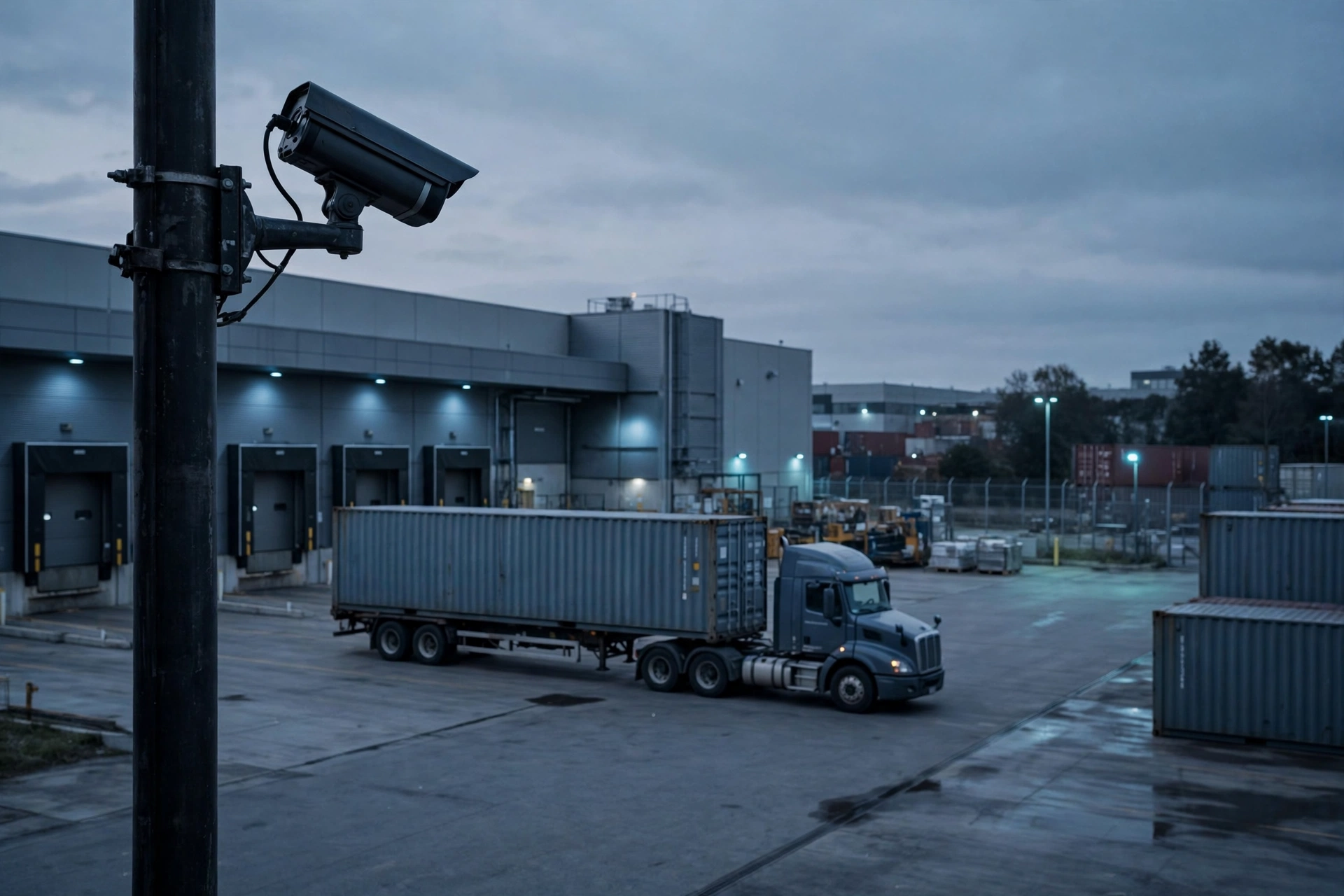
A new survey of loss prevention executives puts hard numbers on a growing supply-chain threat.
If your asset protection program still treats cargo theft as a transportation problem rather than an organized crime problem, a new report should change your thinking.
SmartSense by Digi released its Cargo Theft Report on September 24, 2026, based on a Coleman Parkes survey of 150 U.S.-based loss prevention and organized retail crime prevention executives conducted in August 2026. The participants represented companies from under $10 million to over $10 billion in annual revenue, across security, logistics, risk management, and distribution. The findings are sobering.
Forty percent of respondents report annual cargo theft losses of at least $1 million, and 28% say losses top $2 million a year. Sixty-three percent say incidents increased compared with last year, and 81% believe cargo theft has become more organized in recent years. Four in five (80%) say theft incidents have led directly to lost sales. Seventy-nine percent of executives say they are more concerned about cargo theft today than ever before — and 70% report their organizations are spending more this year on prevention.
The tactics are worth studying. Physical trailer theft ranked high (66% concerned), but the top threats are fraud-based: fraudulent pickups and carrier impersonation drew concern from 78% of respondents, GPS jamming or spoofing from 71%, and double brokering from 64%. This is no longer a matter of securing a trailer yard. As Scott Glenn, vice president of asset protection at The Home Depot, put it: “Cargo theft is increasingly a cybersecurity issue as much as it is a physical security issue. If criminals gain access to transportation or logistics systems, they can potentially identify what is being shipped” — including what it is, where it travels, and when it should arrive.
Three practical takeaways for LP and AP teams:
- Protect shipment data as seriously as the freight itself. Access controls on transportation and logistics systems deserve the same rigor as physical dock security.
- Prioritize real-time visibility and pattern analysis. Respondents named real-time location visibility and data-driven identification of recurring theft patterns and high-risk routes as the capabilities that would make the biggest difference.
- Close the reporting gap. Only 37% of respondents say they regularly report incidents and work directly with law enforcement on investigations. Underreporting almost certainly understates the true scale — and it starves investigators of the pattern data they need.
The companies making the most progress, the report notes, are moving from visibility to actionability: faster alerts on route deviations and unauthorized stops, giving security teams time to react before a shipment disappears.
Source: FreightWaves, “40% of loss prevention professionals report annual cargo theft losses topping $1M” (September 24, 2026), reporting on the SmartSense by Digi Cargo Theft Report.
Is cargo theft a blind spot in your supply chain? Robert John Bonus Consulting helps retailers and distributors assess their exposure and build prevention programs that work. Contact us to start the conversation.


Leave a Reply