

Author: admin

  • Exception-Based Reporting: The LP Tool You’re Probably Underusing

    Exception-Based Reporting: The LP Tool You’re Probably Underusing

    Your POS data already knows who’s stealing. EBR just makes it speak up.

    Every point-of-sale system in your stores is quietly recording the raw material of internal investigations: every void, refund, discount, no-sale drawer open, and price override, stamped with a time, a register, and an employee ID. Exception-based reporting (EBR) is simply the discipline of mining that data for patterns that don’t look right — and it remains one of the highest-ROI tools in loss prevention.

    Here’s how it works in practice. Instead of reviewing transactions at random or waiting for a tip, you define “exceptions”: the transaction types most associated with employee theft and error. The classic list includes:

    • Excessive voids and refunds, especially post-transaction voids processed after the customer leaves
    • Discount abuse — employee discounts applied to non-employees, or discounts clustered around one associate
    • No-sale drawer opens with no corresponding transaction
    • Price overrides concentrated on high-value items or with a single cashier
    • Refunds without a receipt or with repeated “customer” names

    The software flags transactions that exceed thresholds you set, and your investigators review the exceptions rather than the entire transaction universe. A 200-store chain might generate millions of transactions a month; EBR narrows the review pool to a few hundred genuinely suspicious ones.

    Three best practices separate programs that work from ones that just generate noise:

    1. Tune your thresholds to your business, not the vendor default. Out-of-the-box settings are built for an average retailer that doesn’t exist. Start with vendor baselines, then adjust based on your first 90 days of data. Too sensitive and your team drowns in false positives; too loose and real theft sails through.

    2. Pair data with video. An exception tells you what happened; synchronized POS video tells you how. The strongest programs link the two, so an investigator clicks a flagged refund and immediately watches the transaction. Without video confirmation, you’re building cases on data alone — and data alone rarely sustains a termination or prosecution.

    3. Close the loop with operations. EBR findings should feed back into training, not just investigations. If one store’s cashiers generate triple the voids of comparable stores, that’s often a training problem before it’s a theft problem. Share anonymized trends with store leadership and watch the numbers move.

    One caution: EBR is a detection tool, not a conviction machine. Exceptions are starting points for investigation, not proof of wrongdoing. Build your process around verification — review, corroborate, interview — and document every step. The programs that get in trouble are the ones that treat a report as a verdict.

    If you’re not running EBR today, you’re leaving your best internal-theft detection capability on the table. And if you are running it but haven’t tuned it in a year, it’s probably crying wolf more than catching thieves.


    Want a second set of eyes on your EBR program? Robert John Bonus Consulting assesses exception-reporting setups, tunes thresholds to your operation, and trains your team to work exceptions effectively. Contact us.
  • Cargo Theft Has Become a Seven-Figure Problem for Retailers — And It’s More Organized Than Ever

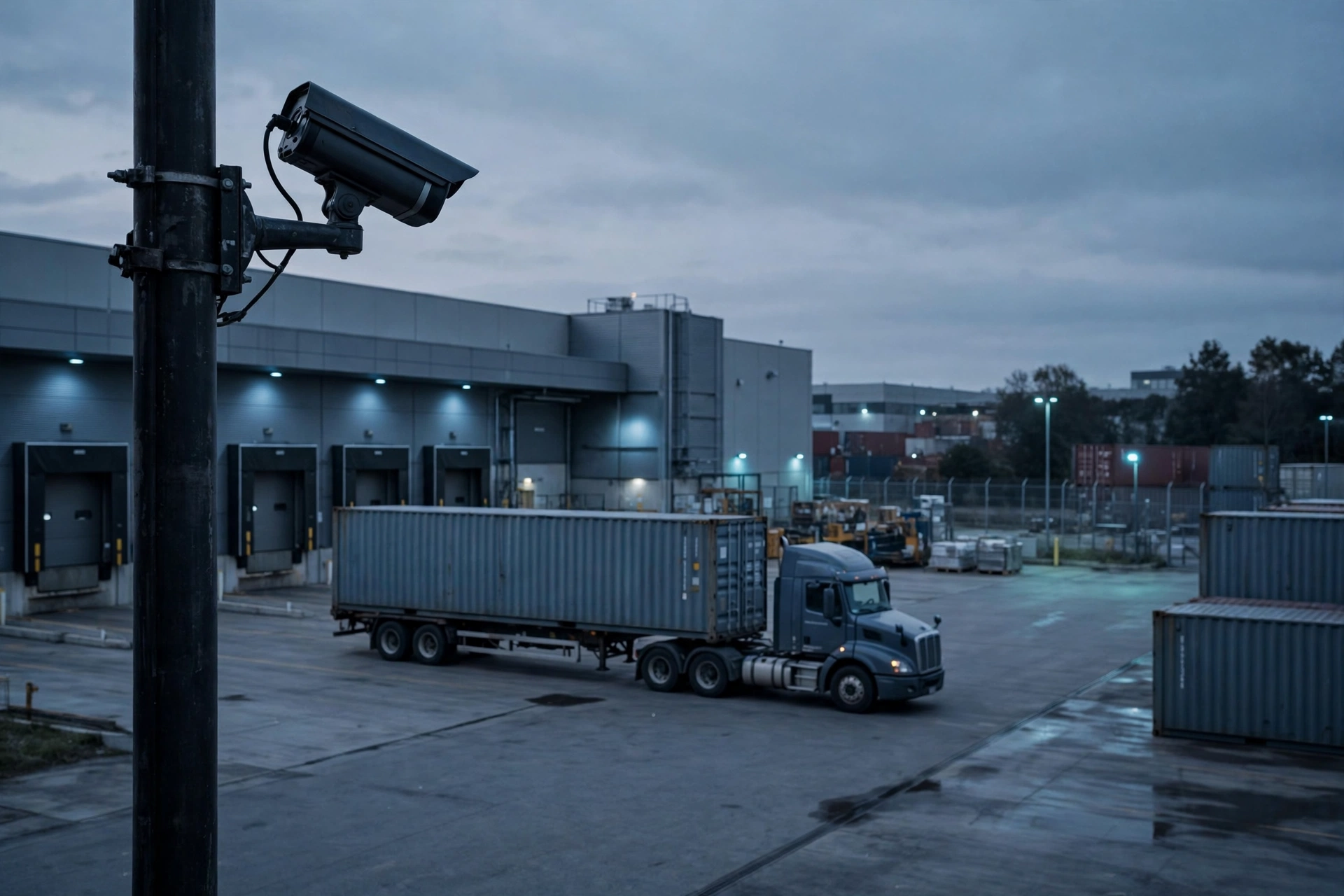
    Cargo Theft Has Become a Seven-Figure Problem for Retailers — And It’s More Organized Than Ever

    A new survey of loss prevention executives puts hard numbers on a growing supply-chain threat.

    If your asset protection program still treats cargo theft as a transportation problem rather than an organized crime problem, a new report should change your thinking.

    SmartSense by Digi released its Cargo Theft Report on September 24, 2026, based on a Coleman Parkes survey of 150 U.S.-based loss prevention and organized retail crime prevention executives conducted in August 2026. The participants represented companies from under $10 million to over $10 billion in annual revenue, across security, logistics, risk management, and distribution. The findings are sobering.

    Forty percent of respondents report annual cargo theft losses of at least $1 million, and 28% say losses top $2 million a year. Sixty-three percent say incidents increased compared with last year, and 81% believe cargo theft has become more organized in recent years. Four in five (80%) say theft incidents have led directly to lost sales. Seventy-nine percent of executives say they are more concerned about cargo theft today than ever before — and 70% report their organizations are spending more this year on prevention.

    The tactics are worth studying. Physical trailer theft ranked high (66% concerned), but the top threats are fraud-based: fraudulent pickups and carrier impersonation drew concern from 78% of respondents, GPS jamming or spoofing from 71%, and double brokering from 64%. This is no longer a matter of securing a trailer yard. As Scott Glenn, vice president of asset protection at The Home Depot, put it: “Cargo theft is increasingly a cybersecurity issue as much as it is a physical security issue. If criminals gain access to transportation or logistics systems, they can potentially identify what is being shipped” — including what it is, where it travels, and when it should arrive.

    Three practical takeaways for LP and AP teams:

    1. Protect shipment data as seriously as the freight itself. Access controls on transportation and logistics systems deserve the same rigor as physical dock security.
    2. Prioritize real-time visibility and pattern analysis. Respondents named real-time location visibility and data-driven identification of recurring theft patterns and high-risk routes as the capabilities that would make the biggest difference.
    3. Close the reporting gap. Only 37% of respondents say they regularly report incidents and work directly with law enforcement on investigations. Underreporting almost certainly understates the true scale — and it starves investigators of the pattern data they need.

    The companies making the most progress, the report notes, are moving from visibility to actionability: faster alerts on route deviations and unauthorized stops, giving security teams time to react before a shipment disappears.

    Source: FreightWaves, “40% of loss prevention professionals report annual cargo theft losses topping $1M” (September 24, 2026), reporting on the SmartSense by Digi Cargo Theft Report.


    Is cargo theft a blind spot in your supply chain? Robert John Bonus Consulting helps retailers and distributors assess their exposure and build prevention programs that work. Contact us to start the conversation.


Protecting people, property, & profits