
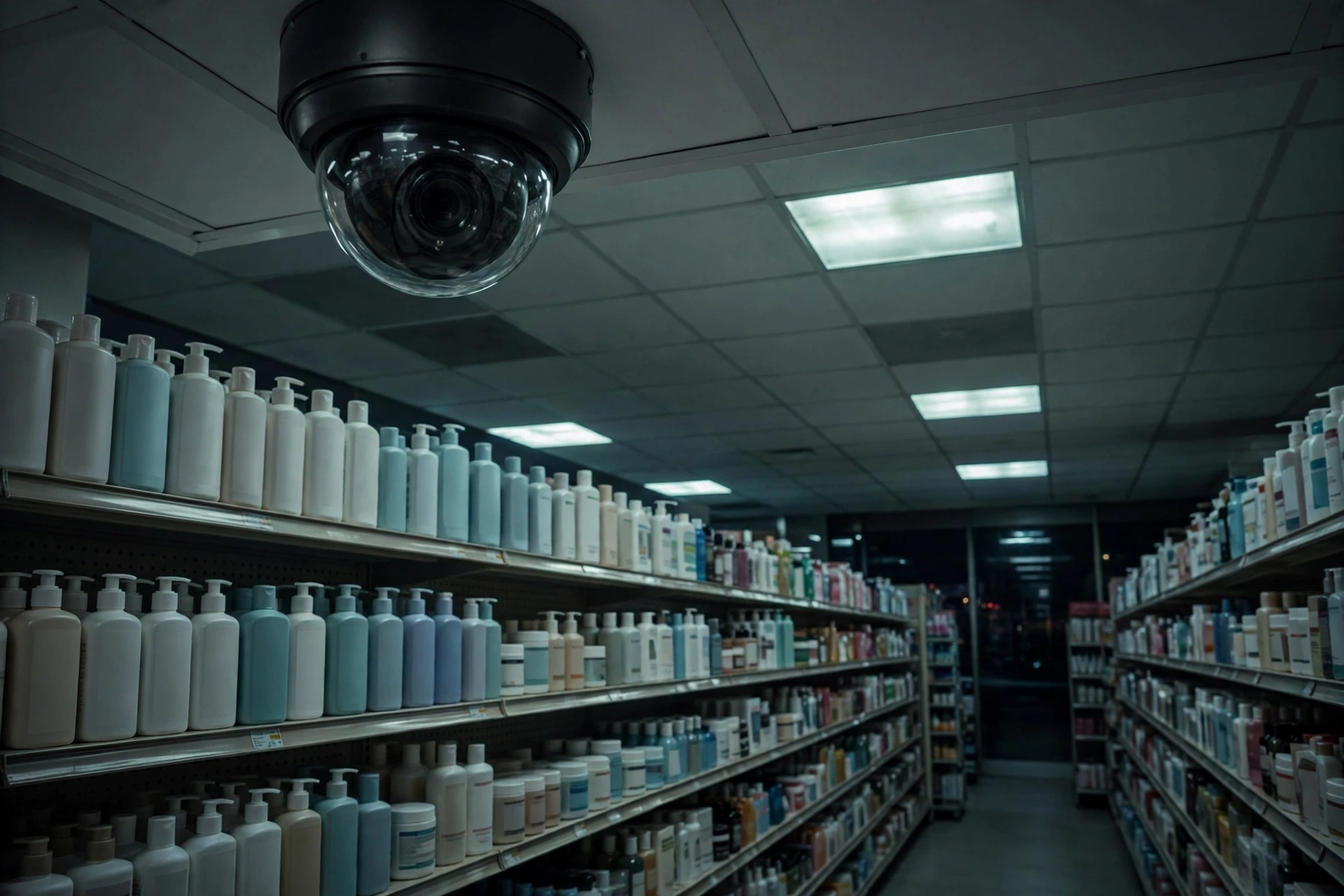
Four arrests, 107 items, and a familiar merchandise mix — how organized shoplifters pick their products, and what LP teams should take from it.
☕ The Afternoon Coffee Break Read
On October 5, 2026, a caller spotted what looked like shoplifting at a Target in Newnan, Georgia. Target’s loss prevention manager described four women carrying merchandise past all points of sale and loading it into a gray Kia K4. Responding officers relayed the vehicle description to sheriff’s deputies, who stopped the Kia on Interstate 85. Inside: 107 items worth $1,855.18. All four were arrested.
Cases like this are textbook organized shoplifting — a group, volume, a vehicle, and a route planned across state lines. This isn’t petty theft. It’s a supply chain, and the merchandise tells you exactly how it works.
The booster merchandise mix
Look at what came out of that Kia: 32 apparel items, 46 health and beauty products, 10 home items, 18 laundry, cleaning, and closet products, and one office supply item. That is not a random shopping spree — it is the standard booster shopping list. Health and beauty, consumables, and basics move fast because they are brand-name, sealed, and indistinguishable from legitimate stock once they hit a resale channel.
The merchandise list matters more than the dollar value
$1,855 sounds modest until you realize the product profile is a map. Boosters return to the same categories because those categories pay. Run your own merchandise profile: pull booster-related incidents and see which aisles keep showing up, then concentrate surveillance, locked fixtures, and staffing on those categories — not just on the high-ticket items.
Three takeaways for LP teams
First, external partnerships win cases. The chain here — a customer call, an LP manager with a sharp description, the vehicle description relayed to responding units, a sheriff’s stop on the interstate — is how merchandise gets recovered and arrests get made. Train associates to give good descriptions fast: vehicle, direction of travel, occupants.
Second, document the route. Groups moving stolen goods across state lines invite felony-level exposure, and a clean timeline of who went where turns a local shoplifting case into one prosecutors actually want.
Third, share the merchandise profile with your peers. Booster groups hit multiple retailers on the same circuit; a quick heads-up to neighboring stores about a group’s target categories can be the difference between an apprehension and another loss. (Source: Ghanamma.com / FOX5 Newnan, October 15, 2026)
A gray Kia, 107 everyday items, and a quick stop on the interstate. Boosters run a business model — LP teams that study the model beat it.
Leave a Reply